
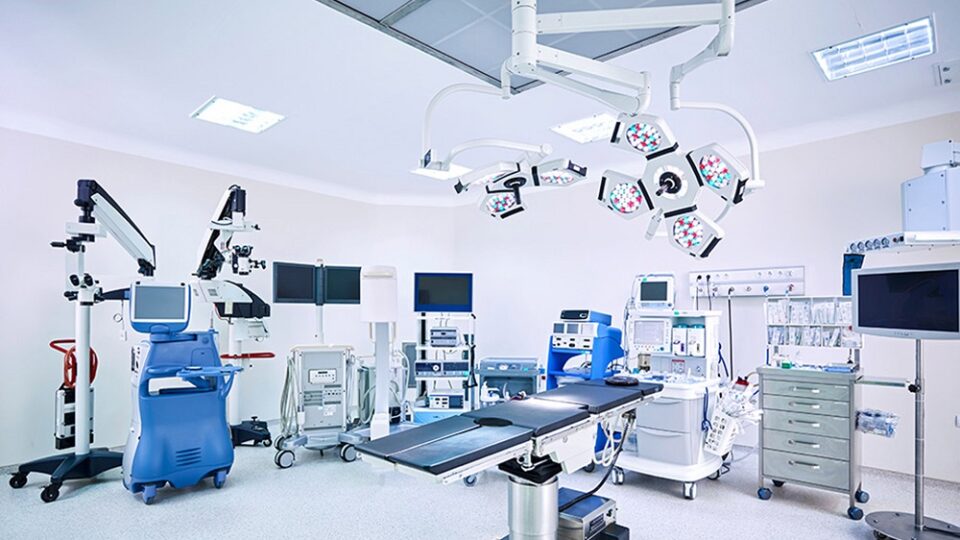
A clinic is one of the most essential pillars of today’s healthcare system. It serves as a first point of contact for patients seeking medical advice, diagnosis, treatment, or preventive care. Unlike large hospitals, clinics focus on accessibility, efficiency, and personalized care, making them a preferred option for millions of people worldwide.
This article explores what clinics are, how they function, and why they play such a crucial role in everyday healthcare.
What Is a Clinic?
A clinic is a healthcare facility primarily designed to provide outpatient medical services. Patients typically visit clinics for consultations, routine checkups, minor treatments, or follow-up care without requiring overnight admission.
Clinics are often staffed by doctors, nurses, specialists, and allied healthcare professionals who work together to deliver targeted medical services efficiently.
Types of Clinics
Clinics vary widely based on the services they offer and the communities they serve. Common types include:
- General Clinics – Provide primary care, routine checkups, and basic treatments
- Specialty Clinics – Focus on specific fields such as dermatology, cardiology, or orthopedics
- Diagnostic Clinics – Offer lab tests, imaging, and health screenings
- Walk-in Clinics – Treat minor illnesses and injuries without appointments
- Community Clinics – Serve local populations, often with affordable or subsidized care
Each type is designed to meet distinct healthcare needs while maintaining convenience and efficiency.
Key Services Offered by Clinics
Most clinics provide a broad range of essential healthcare services, including:
- Medical consultations and diagnosis
- Preventive care such as vaccinations and health screenings
- Chronic disease management (diabetes, hypertension, asthma)
- Minor procedures like wound care or injections
- Prescription services and follow-ups
Some advanced clinics also offer telemedicine, allowing patients to consult healthcare professionals remotely.
Clinic vs Hospital: Understanding the Difference
Although both clinics and hospitals deliver medical care, their roles differ significantly.
- Clinics focus on outpatient care and non-emergency services
- Hospitals handle complex conditions, surgeries, and inpatient treatment
- Clinics are usually smaller, faster, and more affordable
- Hospitals provide 24/7 emergency and specialized care
For routine health needs, clinics often provide a quicker and more cost-effective solution.
Benefits of Visiting a Clinic
Choosing a clinic for healthcare needs comes with several advantages:
- Shorter waiting times
- Lower treatment costs
- Personalized doctor–patient interaction
- Convenient locations
- Continuity of care through regular follow-ups
These benefits make clinics especially valuable for preventive care and ongoing health management.
How to Choose the Right Clinic
Selecting the right clinic can significantly impact your healthcare experience. Consider the following factors:
- Qualified and licensed medical staff
- Range of services offered
- Clean, well-equipped facilities
- Positive patient reviews
- Accessibility and appointment availability
A well-chosen clinic ensures timely care and builds long-term trust between patients and healthcare providers.
The Growing Importance of Clinics in Healthcare
With increasing demand for accessible healthcare, clinics are becoming more advanced and patient-focused. Many now integrate digital health records, online appointments, and remote consultations, enhancing both efficiency and patient satisfaction.
As healthcare continues to evolve, clinics remain at the forefront of preventive, community-based, and personalized medical care.
Frequently Asked Questions (FAQs)
What conditions can be treated at a clinic?
Clinics treat common illnesses, minor injuries, chronic conditions, and provide preventive care such as vaccinations and screenings.
Do clinics require appointments?
Some clinics require appointments, while walk-in clinics allow patients to visit without prior scheduling.
Are clinics cheaper than hospitals?
Yes, clinics generally offer more affordable care for non-emergency and routine medical needs.
Can clinics handle emergencies?
Most clinics are not equipped for major emergencies and will refer patients to hospitals when necessary.
Do clinics offer specialist care?
Many clinics specialize in specific medical fields, such as dermatology, pediatrics, or cardiology.
Are clinics suitable for long-term treatment?
Yes, clinics are ideal for ongoing care, follow-ups, and chronic disease management.
Can clinics provide preventive healthcare?
Absolutely. Preventive services like health checkups, vaccinations, and lifestyle counseling are core clinic services.