
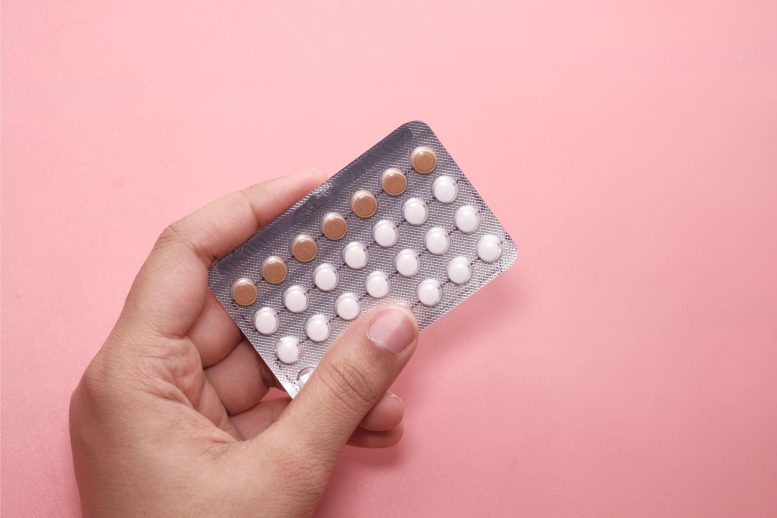
Transitioning off hormonal birth control is often treated as a simple non-event. The conventional guidance usually suggests that once you stop taking the pill, your natural cycle will resume within a few weeks and fertility will promptly return. For many women, however, the months following discontinuation feel like an unpredictable hormonal freefall. From sudden cystic acne and hair thinning to prolonged absences of menstruation, the body frequently enters a state of physiological recalibration commonly referred to as post-birth control syndrome.
While not classified as a formal standalone disease, post-birth control syndrome describes a recognizable constellation of symptoms that surface anywhere from one to six months after stopping oral contraceptives. Understanding what happens behind the scenes physically, neurologically, and metabolically is the first step toward guiding your endocrine system back to steady, predictable rhythms.
Understanding What Happens When You Stop the Pill
To address the imbalances that follow the pill, you have to understand how oral contraceptives alter female physiology in the first place. Combined oral contraceptives deliver continuous doses of synthetic estrogen and progestin. These synthetic compounds suppress ovulation by keeping circulating hormone levels flat, which signals the brain that ovulation is unnecessary.
This suppression operates through the hypothalamic-pituitary-ovarian (HPO) axis, the intricate communication loop connecting the hypothalamus, the pituitary gland, and the ovaries. Under the influence of the pill, the brain stops releasing gonadotropin-releasing hormone, which in turn halts the pulsatile release of luteinizing hormone and follicle-stimulating hormone. Without these chemical signals, ovarian follicles do not mature, and ovulation does not occur.
The bleeding you experience during the placebo week of a birth control pack is not a true menstrual period. It is a chemically induced withdrawal bleed triggered by the abrupt drop in synthetic hormones. A true menstrual cycle requires the development of an ovarian follicle, the release of an egg, and the subsequent production of natural progesterone by the temporary endocrine gland known as the corpus luteum.
When you discontinue the pill, your ovaries must wake up from years—sometimes decades—of medication-induced dormancy. The brain and the ovaries must relearn how to communicate in a precise, rhythmic sequence. That transition period is rarely seamless.
The Primary Drivers of Post-Pill Imbalance
The symptoms that emerge after coming off oral contraceptives stem from distinct physiological shifts that take place as synthetic hormones leave your system.
HPO Axis Communication Lag
The most common reason for a missing or delayed cycle after the pill is an uncoordinated HPO axis. The hypothalamus must rebuild its pulsatile rhythm before the pituitary can signal the ovaries to produce estrogen and trigger ovulation. Until this communication line is fully restored, cycles may be erratic, unusually long, or absent entirely.
Rebound Androgen Surge
Synthetic progestins and estrogens dramatically increase liver production of sex hormone-binding globulin (SHBG), a protein that binds to circulating testosterone and other androgens, rendering them inactive. This elevation in SHBG is why the pill is frequently prescribed to clear acne.
When you stop taking the pill, SHBG levels can decline faster than your ovaries and adrenal glands regulate their own androgen production. The resulting surge in free, circulating testosterone often triggers a rebound effect: oily skin, stubborn jawline cystic breakouts, and hair shedding across the crown of the head. This androgen rebound typically peaks between three and six months post-pill.
Nutrient Depletion
The chronic metabolism of synthetic hormones places an ongoing demand on the liver, which depletes several critical micronutrients over time. Long-term oral contraceptive use is consistently linked to lowered reserves of B vitamins (particularly B6, B12, and folate), zinc, magnesium, selenium, and vitamin C. These specific nutrients serve as indispensable cofactors for ovarian steroidogenesis, liver detoxification, and thyroid hormone conversion. Without adequate stores, the body struggles to manufacture sufficient endogenous hormones.
Sluggish Liver Clearance and Gut Disruption
Synthetic hormones alter the composition of the intestinal microbiome and place a steady processing burden on the liver. The liver must package used hormones through Phase I and Phase II detoxification pathways so they can be excreted through bile and stool. If gut motility is slow or if intestinal dysbiosis is present, an enzyme called beta-glucuronidase can uncouple bound hormones in the colon, allowing estrogen to be reabsorbed into circulation. This recycled estrogen perpetuates estrogen dominance, contributing to breast tenderness, bloating, and mood swings.
Expected Timeline for Cycle Recovery
Every woman’s endocrine system recovers at its own pace, but cycle restoration generally unfolds across several distinct phases.
During the first one to three months, your body clears residual synthetic metabolites and begins firing basal signals along the HPO axis. It is common to experience a single bleed immediately after stopping, followed by a long gap before the next cycle arrives. Skin changes, temporary night sweats, and mood fluctuations often appear during this window.
Between months three and six, natural follicular development should begin producing measurable amounts of estradiol, eventually leading to spontaneous ovulation. Cycles during this phase may vary in length, swinging between 28 and 40 days.
By six to nine months, a healthy body should establish a regular cycle ranging between 24 and 35 days, marked by clear signs of ovulation such as fertile cervical fluid, a mid-cycle basal body temperature shift, and minimal premenstrual distress. If your period has not returned after six consecutive months, clinical intervention is warranted to evaluate for post-pill amenorrhea.
Practical Strategies to Restore Ovulation and Rhythm
Regulating your cycle after oral contraceptives requires deliberate, consistent support for your nervous system, your liver, and your cellular metabolism. The body will not prioritize reproduction if it perceives a state of depletion or stress.
Fuel for Ovulation with Adequate Calories and Fats
Ovulation is an energy-intensive metabolic event. The hypothalamus contains specialized kisspeptin neurons that monitor systemic energy availability. If your caloric intake is too low, or if carbohydrates are restricted too severely, these neurons downregulate reproductive signaling to preserve energy for basic survival.
Ensure you are eating sufficient, balanced meals containing adequate dietary cholesterol and saturated and monounsaturated fats. Cholesterol is the essential molecular precursor to all steroid hormones, including pregnenolone, progesterone, and estrogen. Excellent sources include whole pasture-raised eggs, avocados, extra virgin olive oil, nuts, seeds, and grass-fed meats. Pair these fats with unrefined complex carbohydrates like sweet potatoes, oats, squash, and quinoa to keep cortisol stable and support thyroid conversion.
Target Crucial Hormone-Building Micronutrients
Replenishing the nutrient stores depleted by the pill accelerates ovarian recovery:
-
Zinc: Necessary for the synthesis of follicle-stimulating hormone and healthy ovarian follicle growth. Zinc also works as a natural 5-alpha reductase inhibitor, helping temper the rebound androgen surge that drives post-pill acne.
-
Magnesium Glycinate: Calms the central nervous system, stabilizes fasting blood sugar, supports deep restorative sleep, and aids the liver in metabolizing estrogen.
-
Methylated B-Complex: Delivers active folate, methylcobalamin, and pyridoxal-5-phosphate to support healthy methylation, red blood cell production, and the luteal phase production of progesterone.
-
Omega-3 Fatty Acids: High concentrations of EPA and DHA lower systemic inflammation, improve cellular membrane sensitivity to hormone signaling, and support ovarian blood flow.
Support Hepatic Processing and Elimination
Your liver requires specific amino acids and antioxidant compounds to neutralize both synthetic remnants and newly produced endogenous estrogens. Incorporate cruciferous vegetables such as broccoli, Brussels sprouts, cabbage, and arugula daily. These foods are rich in diindolylmethane and glucosinolates, which steer estrogen metabolism toward protective, easily excretable pathways.
Equally important is daily intestinal elimination. Consume abundant soluble and insoluble fiber from ground flaxseeds, chia seeds, carrots, and leafy greens. Flaxseeds contain lignans, which gently bind to excess estrogen metabolites in the digestive tract and escort them safely out of the body. Drinking plenty of mineral-rich water prevents sluggish bowels from allowing hormone reabsorption.
Regulate Cortisol and Sympathetic Nervous Drive
Chronic physical or psychological stress is a primary inhibitor of ovulation. High circulating cortisol acts directly on the hypothalamus to silence gonadotropin release, effectively stealing reproductive priority in favor of the fight-or-flight response.
If you are recovering from the pill, reassess your exercise routine. High-intensity interval training and exhaustive endurance cardio can spike cortisol and stall cycle recovery. Shift your focus toward progressive strength training, restorative yoga, and outdoor walking. Aim for consistent, uninterrupted sleep in a completely dark, cool bedroom to optimize overnight melatonin release, a potent ovarian antioxidant.
Distinguishing Post-Pill Imbalance from Masked Underlying Conditions
A critical factor that is often overlooked in discussions of post-birth control syndrome is your hormonal health prior to starting the pill. Many women are first prescribed oral contraceptives in their teens or early twenties for irregular periods, heavy bleeding, painful cramps, or severe acne.
The pill does not resolve the root cause of these concerns; it merely overrides your endogenous hormone production with synthetic chemicals, masking the underlying issues. If you had irregular cycles before starting the pill, those underlying conditions will usually resurface once the medication stops.
The most frequent conditions masked by the pill include:
-
Polycystic Ovary Syndrome (PCOS): Characterized by ovulatory dysfunction, elevated androgens, and insulin resistance. It is essential to distinguish between true metabolic PCOS and temporary, post-pill androgen rebound with transient polycystic ovarian morphology on an ultrasound.
-
Functional Hypothalamic Amenorrhea (FHA): Often triggered by a history of chronic energy deficiency, intense athletic training, or psychological stress.
-
Thyroid Dysfunction: Both hypothyroidism and Hashimoto’s thyroiditis can present as delayed, irregular, or missing periods, along with fatigue and hair loss.
When to Seek Comprehensive Medical Evaluation
While patience is required as your body recalibrates, you should not wait indefinitely if warning signs appear. Consult an integrative physician, reproductive endocrinologist, or gynecologist if you encounter any of the following:
-
You have experienced zero menstrual bleeding for six months after discontinuing the pill.
-
Your cycle returned initially but disappeared again for more than three consecutive months.
-
You experience debilitating pelvic pain, which may point toward endometriosis or pelvic pathology.
-
Your cycles remain shorter than 21 days or longer than 36 days after eight months post-pill.
A comprehensive workup should include more than just a basic screening. Request a full morning hormone panel evaluated at appropriate cycle timing, including estradiol, progesterone, luteinizing hormone, follicle-stimulating hormone, total and free testosterone, DHEA-S, prolactin, fasting insulin, and a complete thyroid panel including TSH, free T3, free T4, and thyroid antibodies.
Rebuilding a healthy, ovulatory menstrual cycle after oral contraceptives is not an instantaneous switch; it is a gradual biological restoration. By giving your endocrine system the nutritional building blocks, metabolic safety, and digestive clearance it needs, you create the internal conditions necessary for your natural rhythm to reassert itself sustainably.