
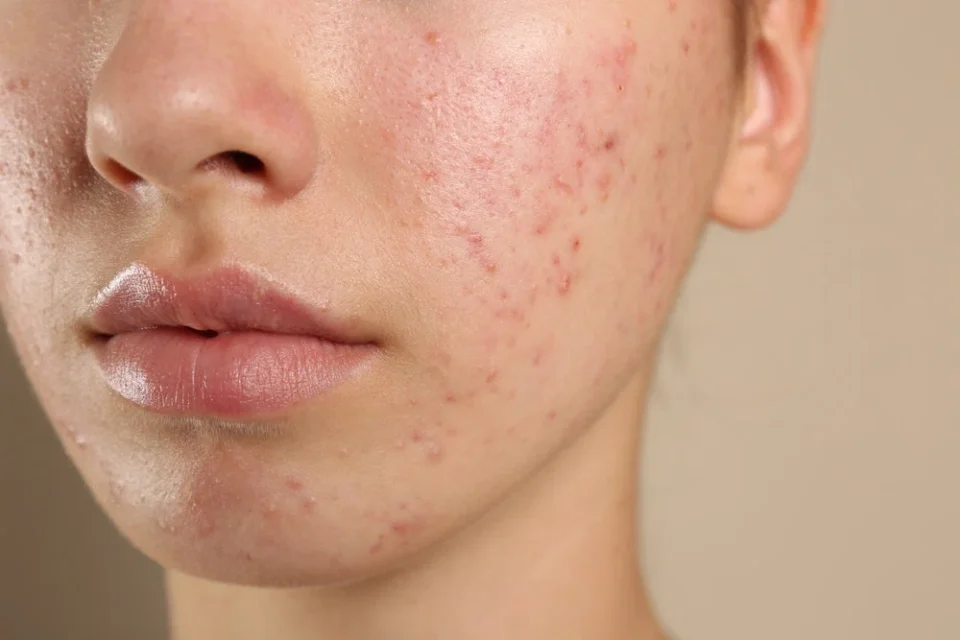
Few skincare experiences are as disorienting as the moment your everyday moisturizer—a gentle, fragrance-free formula you have trusted for months—suddenly sets your face on fire. You wash it off with cool water, only to find that the water itself feels prickly, raw, and tight against your cheeks.
In an era defined by multi-step regimens, potent active serums, and an obsession with achieving polished, poreless skin, this scenario has become remarkably common. We are constantly tempted to exfoliate away imperfections, speed up cell turnover with retinoids, and brighten every patch of tone with concentrated acids. Yet skin is not a countertop to be stripped, bleached, and scrubbed clean. It is a living, responsive organ wrapped in a delicate protective shield known as the skin barrier.
When that shield breaks down, your complexion loses its ability to protect you from the outside world or keep vital hydration locked inside. Recognizing the subtle and overt signs of a compromised skin barrier is essential to halting progressive damage and guiding your skin back to equilibrium.
The Architecture of Your Skin Barrier
To understand how your skin barrier falters, it helps to visualize its physical structure. Dermatologists often describe the outermost layer of your skin, the stratum corneum, using a brick-and-mortar analogy.
The bricks are your corneocytes, which are hardened, non-living protein cells packed with keratin and natural moisturizing factors. The mortar is a dense lipid matrix composed primarily of ceramides, cholesterol, and free fatty acids. Together, this structure forms an impermeable boundary that performs two vital functions: keeping essential moisture and electrolytes from evaporating out of the body, and preventing environmental pathogens, irritants, allergens, and pollutants from getting in.
Riding directly on top of this lipid matrix is the acid mantle, a slightly acidic film with an optimal pH between 4.5 and 5.5. Formed by a blend of sebum, sweat, and friendly microorganisms, this acidic environment deters harmful bacterial colonization while activating the specific enzymes responsible for continuous barrier repair.
When you strip away the lipid mortar or disrupt the skin’s acidic pH, the bricks become loose and misaligned. Moisture escapes through accelerated transepidermal water loss, leaving gaps that allow airborne debris and everyday ingredients to penetrate directly down to living cells, setting off an immediate inflammatory alarm.
The Classic Signs of a Damaged Skin Barrier
Barrier damage rarely happens overnight. It typically builds over days or weeks of cumulative stress until your skin crosses an invisible threshold and sends unambiguous distress signals.
Stinging and Burning on Contact
The most definitive, unmistakable symptom of a broken skin barrier is sudden reactivity to benign products. If your basic hydrating toner, gentle milky cleanser, or even pure water causes an active burning, stinging, or prickling sensation, your barrier is severely compromised.
When the stratum corneum is intact, nerve endings sit well insulated beneath several dense layers of hydrated lipids. When the barrier is fractured, those nerve fibers become exposed to the surface. Products that once felt soothing now irritate raw, defenseless nerve pathways, producing a sharp, burning discomfort within seconds of application.
The Tight Yet Oily Paradox
Many people believe that barrier damage looks exclusively like dry, flaky skin. In reality, one of the most frustrating presentations is skin that feels intensely parched and stretched underneath, yet develops a slick, shiny film across the surface within hours of cleansing.
This happens because the deeper layers of the epidermis are leaking water at an unsustainable rate. In a desperate bid to seal those microscopic leaks, your sebaceous glands go into overdrive, pumping out excess sebum. The result is dehydrated skin masquerading as oily skin. If your face feels tight when you smile or speak, yet your forehead and nose look noticeably greasy by midday, your barrier is crying out for hydration and lipids, not a clarifying toner.
Uncharacteristic Breakouts and Tiny Bumps
A damaged barrier frequently triggers breakouts, prompting people to reach for the very acne treatments that worsen the damage in the first place.
Healthy skin hosts a balanced microbiome that naturally keeps opportunistic bacteria in check. When the barrier’s acid mantle is stripped, that bacterial equilibrium collapses. Harmful bacteria can penetrate micro-fissures in the stratum corneum, inciting localized inflammatory responses.
These breakouts often look different from standard hormonal or comedonal acne. They frequently appear as clusters of tiny, uniform, itchy red bumps or superficial whiteheads that erupt rapidly across areas where you applied harsh products, rather than deep, isolated cysts along the jawline.
Persistent Redness, Flushing, and Temperature Sensitivity
When physical defenses fail, the vascular network directly beneath the skin steps in to help. Blood vessels dilate to rush immune cells, oxygen, and nutrients to the site of irritation, leading to diffuse erythema, warmth, and blotchiness.
You may notice that your skin stays pink or flushed for hours after a lukewarm shower, turns crimson after stepping into cold outdoor air, or reacts violently to mild friction, such as lightly pressing a towel against your face. This heightened reactivity indicates that your cutaneous immune system is stuck in an active state of alert.
Rough, Sandpaper Texture and Crepey Fine Lines
Run your clean fingers gently across your cheekbones and jawline. Healthy skin feels pliable, smooth, and resilient. A damaged barrier feels distinctly dry, coarse, and uneven, resembling fine sandpaper or crepe paper.
Without adequate moisture, the natural shedding process of the skin—known as desquamation—grinds to a halt. Old, dead cells clump together on the surface instead of cleanly detaching, creating rough patches, dry flakes, and exaggerated fine lines that seem to appear out of nowhere.
Common Culprits Behind Barrier Breakdown
Identifying the damage is only half the battle; you must also identify what caused the breakdown so you do not repeat the cycle.
-
Overuse of Exfoliating Acids and Retinoids: Layering glycolic acid, salicylic acid, and prescription retinoids within the same routine accelerates cell turnover faster than your body can synthesize new lipid mortar, stripping the stratum corneum bare.
-
Harsh, Alkaline Cleansers: Cleansing with traditional bar soaps, high-foaming sulfate cleansers, or scalding water dissolves your natural sebum and elevates skin pH, neutralizing the protective acid mantle.
-
Aggressive Physical Friction: Using coarse scrubs, stiff facial cleansing brushes, abrasive washcloths, or excessive drying friction micro-tears the upper layer of the epidermis.
-
Extreme Environmental Stress: Low ambient indoor humidity during winter heating seasons, strong winds, and unfiltered sun exposure sap moisture and degrade barrier lipids.
-
Layering Too Many Fragranced Products: Essential oils, synthetic perfumes, and botanical extracts contain complex chemical compounds that easily provoke allergic contact dermatitis when introduced through an already weakened barrier.
The At-Home Diagnostic Check
If you suspect your skin barrier is compromised, perform a simple diagnostic check tonight.
Wash your face with your gentlest cleanser, pat it lightly with a towel until barely damp, and leave your skin completely bare for twenty minutes without applying serums, creams, or oils.
If your skin begins to feel noticeably tight, itchy, uncomfortably taut, or visibly red before the twenty minutes are up, your barrier cannot retain its own baseline hydration without external assistance. Furthermore, apply a pea-sized amount of a simple, unmedicated petroleum jelly or plain bland cream to a small section of your cheek. If that application results in warm stinging rather than instant soothing relief, your barrier is in an acute state of injury.
Immediate Steps to Repair and Restore Your Barrier
Rebuilding a compromised barrier requires a radical shift in mindset. You must temporarily abandon all goals related to brightening, anti-aging, or acne eradication, and focus entirely on physiological repair.
Eliminate all active ingredients immediately. Put away your alpha-hydroxy acids, beta-hydroxy acids, retinoids, pure L-ascorbic acid, clay masks, and exfoliating tools. Do not attempt to use them every other day or once a week. They must be removed from your routine completely until your skin is thoroughly stabilized.
Strip your routine down to a three-step sanctuary. During active recovery, your regimen should consist exclusively of:
-
A non-foaming, lotion-based or creamy cleanser that rinses clean with tepid water without leaving a squeaky residue.
-
A dedicated barrier repair cream formulated with physiological lipids—specifically ceramides, cholesterol, and free fatty acids in a balanced ratio—alongside soothing humectants like glycerin and panthenol.
-
A gentle, broad-spectrum sunscreen featuring zinc oxide, which provides physical UV defense while naturally calming active inflammation.
Lock in hydration with an occlusive agent. If your skin feels painfully cracked or tight before bed, apply your barrier cream to damp skin, then press a thin layer of a pure occlusive ointment, such as medical-grade petrolatum, over the most irritated zones. This technique, often called slugging, acts as a temporary synthetic barrier, dramatically reducing transepidermal water loss overnight and giving your skin cells the moist environment they need to rebuild.
Expected Recovery Timelines
Healing a damaged skin barrier requires patience that aligns with human biology. The natural cell turnover cycle takes roughly twenty-eight to forty days in healthy adults, and this process can slow down when tissues are inflamed.
Within the first three to five days of removing irritating actives and applying restorative lipids, you should notice a significant decrease in active burning and redness. Between days seven and fourteen, the sandpaper texture softens, flaking subsides, and the uncomfortable tightness begins to lift.
However, surface comfort does not mean deep structural integrity is fully restored. Wait at least four full weeks of calm, asymptomatic skin before considering the gradual, careful reintroduction of a single active ingredient.
Treating your skin barrier with respect is not about babying your complexion; it is about honoring the fundamental biology that makes healthy, radiant skin possible in the first place. When you provide your skin with the protection, hydration, and peace it requires, it possesses an extraordinary capacity to heal itself from the inside out.