
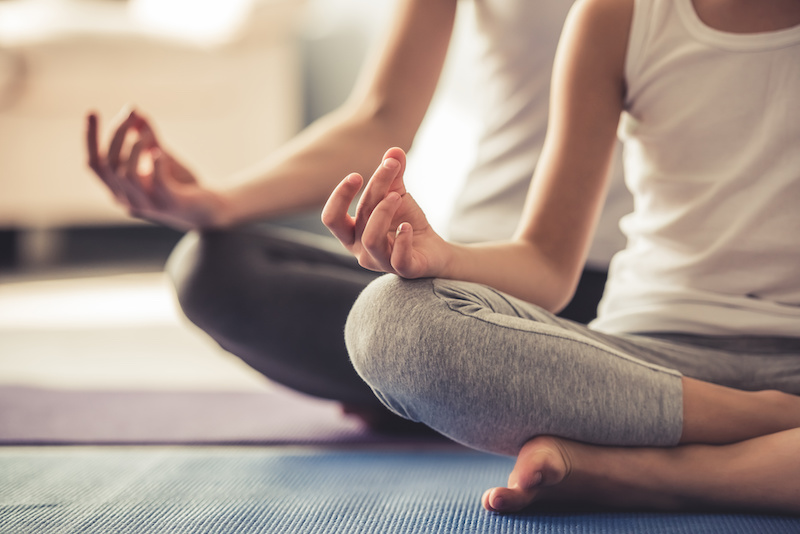
Meditation is a centuries-old practice designed to cultivate mental clarity, emotional balance, and holistic wellbeing. While often associated with spiritual traditions, contemporary research has revealed its profound benefits on physical health, cognitive function, and stress regulation. Modern meditation encompasses a variety of techniques, each aiming to enhance focus, reduce mental clutter, and promote resilience in an increasingly fast-paced world.
Understanding Meditation and Its Core Principles
Meditation is more than sitting quietly with closed eyes; it is an intentional practice that trains attention, cultivates awareness, and fosters a state of mental calm. Core principles include:
- Mindfulness: Maintaining non-judgmental awareness of the present moment, including thoughts, emotions, and bodily sensations.
- Concentration: Focusing attention on a single object, sound, or sensation to improve cognitive control and mental clarity.
- Acceptance: Observing experiences without reacting impulsively or emotionally, creating psychological balance.
- Regularity: Integrating practice into daily life to achieve cumulative benefits for mind and body.
By internalising these principles, meditation enables individuals to navigate stress, enhance focus, and improve emotional regulation.
Types of Meditation
Meditation practices vary based on tradition, purpose, and technique. Key categories include:
1. Mindfulness Meditation
Mindfulness meditation emphasises awareness of the present moment. Practitioners observe thoughts, emotions, and bodily sensations without judgment. Techniques include:
- Body scan: Sequential attention to different parts of the body to release tension.
- Breath awareness: Monitoring inhalation and exhalation to anchor attention.
- Open monitoring: Observing thoughts and feelings as they arise, without attachment.
Scientific studies indicate mindfulness meditation improves stress resilience, emotional regulation, and cognitive performance.
2. Concentration Meditation
Concentration meditation focuses on a single point of attention, such as:
- A mantra or repeated phrase.
- A visual object like a candle flame or image.
- Controlled breathing patterns.
This method strengthens attention control, reduces mental distraction, and enhances the ability to sustain focus over prolonged periods.
3. Loving-Kindness Meditation
Loving-kindness meditation (metta) cultivates compassion and positive emotional states by generating feelings of goodwill towards oneself and others. Benefits include reduced social anxiety, improved emotional intelligence, and enhanced interpersonal relationships.
4. Transcendental Meditation
Transcendental meditation involves silently repeating a specific mantra to transcend ordinary thought processes. It promotes deep relaxation, stress reduction, and cardiovascular benefits.
5. Guided Meditation
Guided meditation uses verbal instructions from an instructor or digital resource to direct focus, visualisation, or relaxation. It is particularly effective for beginners or individuals seeking structured sessions to reduce anxiety, improve sleep, or achieve specific mental states.
Physiological and Psychological Benefits
Evidence-based research has consistently highlighted the multiple benefits of meditation:
- Stress reduction: Meditation lowers cortisol levels, decreases sympathetic nervous system activity, and enhances resilience to psychological stress.
- Cognitive enhancement: Practices improve attention span, working memory, and executive function.
- Emotional regulation: Regular meditation increases emotional stability, reduces depressive symptoms, and enhances overall mood.
- Cardiovascular health: Mindfulness and transcendental meditation improve blood pressure, heart rate variability, and vascular function.
- Immune function: Meditation positively affects immune markers, supporting overall physical health.
- Pain management: Techniques such as mindfulness reduce perception of chronic pain and improve coping strategies.
Collectively, these benefits demonstrate that meditation is not merely a mental exercise but a comprehensive approach to mind-body health.
Integrating Meditation into Daily Life
Consistent practice is key to achieving measurable benefits. Effective strategies include:
- Designating a daily time slot: Even 10–20 minutes per day can yield significant results.
- Creating a dedicated space: Quiet, comfortable environments reduce distractions and enhance focus.
- Starting with short sessions: Gradually increase duration as comfort and attention improve.
- Using guided resources: Apps, audio recordings, or online sessions can provide structure and motivation.
- Incorporating mindful breaks: Short, mindful pauses during work or study reinforce attention and reduce stress accumulation.
Lifestyle integration ensures that meditation becomes a sustainable practice rather than a sporadic activity.
Meditation and Neuroscience
Recent neuroscience research has revealed structural and functional changes in the brain associated with meditation:
- Increased grey matter density: Areas involved in learning, memory, and emotional regulation show enhanced volume.
- Enhanced connectivity: Improved functional connectivity between prefrontal cortex and limbic regions supports emotional control.
- Reduced amygdala reactivity: Meditation decreases the brain’s stress response, leading to calmer emotional reactions.
- Neuroplasticity: Regular practice encourages adaptive changes in neural pathways, promoting cognitive flexibility.
These findings substantiate meditation’s role as a tool for mental optimisation and resilience building.
Advanced Meditation Techniques
For experienced practitioners, advanced techniques can deepen the practice:
- Vipassana: Insight meditation focused on observing the impermanence of thoughts, emotions, and bodily sensations.
- Zen (Zazen): Seated meditation emphasising posture, breath, and open awareness to achieve clarity and insight.
- Chakra meditation: Concentration on energy centres in the body to enhance balance and vitality.
- Yoga Nidra: Guided meditative sleep promoting deep relaxation, emotional processing, and cognitive restoration.
These methods integrate mindfulness, concentration, and spiritual awareness to promote holistic development.
Common Challenges and Solutions
Practitioners often encounter obstacles when establishing a meditation routine:
- Restlessness or mind wandering: Addressed by starting with short sessions and using breath as an anchor.
- Physical discomfort: Adjust posture, use cushions, or practice lying-down meditation as needed.
- Consistency issues: Schedule sessions at consistent times and track practice to build habit formation.
- Impatience with results: Recognise that benefits accumulate gradually with regular practice.
- Emotional discomfort: Meditation may bring suppressed emotions to the surface; guided support or journaling can assist in processing.
Understanding these challenges allows practitioners to persist and develop a sustainable meditation practice.
Meditation in Professional and Clinical Settings
Meditation is increasingly integrated into healthcare, corporate wellness, and education:
- Stress management programs: Hospitals and workplaces use mindfulness-based stress reduction (MBSR) to improve productivity and mental health.
- Psychotherapy integration: Meditation complements cognitive behavioural therapy (CBT) and acceptance and commitment therapy (ACT) to manage anxiety, depression, and trauma.
- Education: Schools incorporate mindfulness to improve attention, emotional regulation, and resilience in students.
- Corporate wellness: Meditation breaks, digital mindfulness sessions, and relaxation rooms support employee wellbeing.
These applications highlight meditation’s versatility as a preventive, therapeutic, and performance-enhancing tool.
FAQs About Meditation
How long does it take to experience the benefits of meditation?
Benefits such as reduced stress and improved focus can appear within a few weeks of regular practice, while structural brain changes may require months of consistent meditation.
Is meditation suitable for everyone?
Yes, meditation is adaptable for all ages and fitness levels. Techniques can be modified to suit physical limitations or cognitive needs.
Can meditation help with sleep disorders?
Mindfulness and relaxation-based meditation improve sleep quality, reduce insomnia, and regulate sleep patterns.
Do I need to sit cross-legged to meditate effectively?
No, meditation can be practised in a comfortable seated position, lying down, or even walking, as long as attention and awareness are maintained.
How does meditation affect mental health?
Meditation reduces symptoms of anxiety, depression, and stress by promoting emotional regulation, attention control, and neurobiological balance.
Can children benefit from meditation?
Yes, age-appropriate mindfulness practices enhance focus, emotional regulation, and stress management in children and adolescents.
Is guided meditation better than silent meditation?
Both have benefits; guided meditation is helpful for beginners or specific outcomes, while silent meditation encourages deeper self-awareness and concentration.
Meditation is a scientifically validated, versatile practice that supports mental clarity, emotional balance, and physical wellbeing. By integrating mindfulness, concentration, and advanced techniques into daily life, individuals can cultivate resilience, enhance cognitive function, and foster a sense of inner peace. With consistent practice and a structured approach, meditation transforms from a simple relaxation tool into a lifelong strategy for holistic health and personal growth.